Where to Leave Bulky Rubbish on Holloway Road Area of Tufnell Park
If you are trying to work out where to leave bulky rubbish on Holloway Road area of Tufnell Park, you are probably dealing with the least glamorous kind of job in London: the awkward stuff that does not fit in a normal bin, does not break down neatly, and somehow becomes heavier the moment you move it. A worn-out sofa, a broken wardrobe, a mattress, bits of shelving, or a pile of flat-pack waste can all create the same headache.
The short version is this: bulky waste should be handled carefully, placed only where it is permitted, and removed in a way that avoids blocking pavements, causing nuisance, or creating a fly-tipping problem. In this guide, we will walk through the practical options, the safest approach for local streets around Holloway Road and Tufnell Park, and what to think about before you put anything out. Simple enough, really. But there are a few catches.
If you are also comparing professional help, it can be useful to look at related services such as general waste removal, furniture disposal, or a more full-service home clearance if the job has grown legs and turned into a bigger clear-out than expected.
Quick answer: bulky rubbish in the Holloway Road and Tufnell Park area should only be left where local rules allow, usually on private property, at an approved collection point, or through a lawful collection arrangement. Do not leave items on the pavement, by a lamppost, or beside a communal bin unless you have clear permission and a scheduled pickup.
Table of Contents
- Why it matters
- How it works
- Key benefits and practical advantages
- Who this is for and when it makes sense
- Step-by-step guidance
- Expert tips for better results
- Common mistakes to avoid
- Tools, resources and recommendations
- Law, compliance, standards, or best practice
- Options, methods, or comparison table
- Case study or real-world example
- Practical checklist
- Conclusion
- Frequently asked questions
Why Where to leave bulky rubbish on Holloway Road area of Tufnell Park Matters
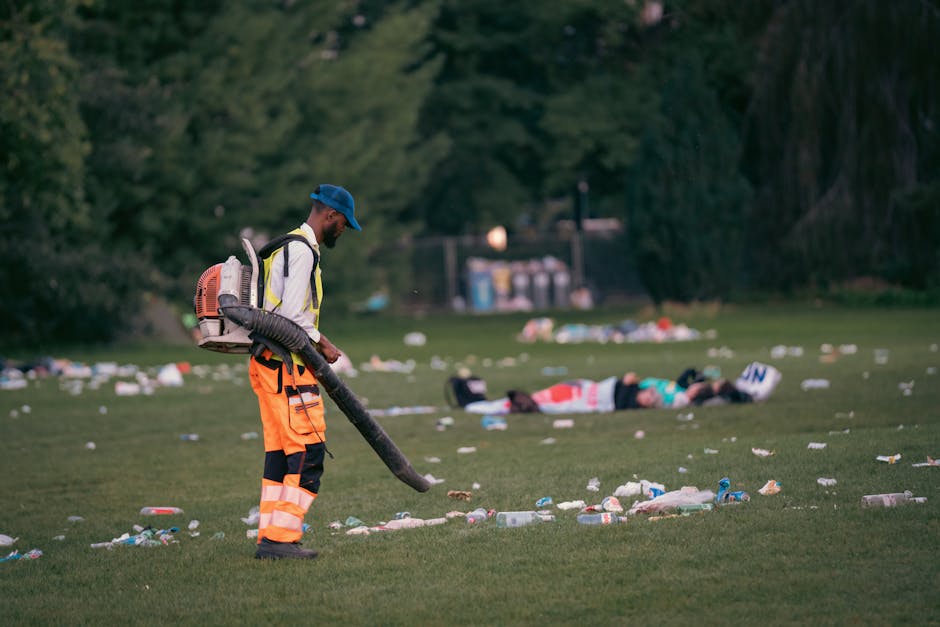
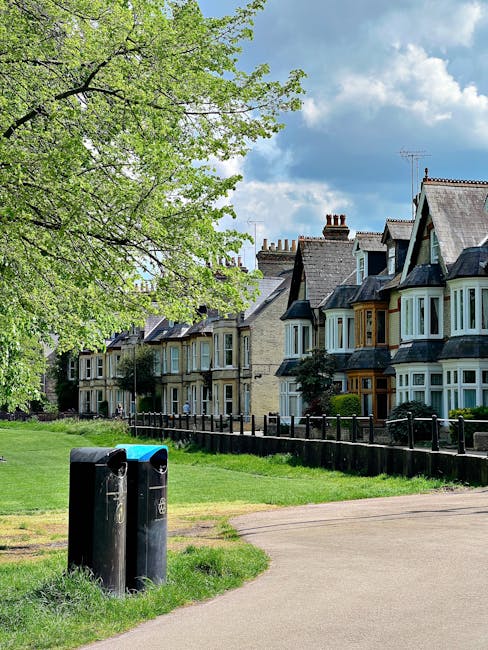
Bulky rubbish sounds straightforward until you actually have to deal with it. On streets around Holloway Road and nearby Tufnell Park roads, space is tight, foot traffic can be steady, and shared entrances or narrow frontages make badly placed waste a real nuisance. One sofa left in the wrong place can block a pavement, annoy neighbours, and attract complaints faster than you would expect.
It also matters because bulky items are not just "big rubbish". They can include upholstered furniture, white goods, broken timber, mattresses, old office chairs, garden items, and mixed household junk. Each item may need a different handling approach. Some can be reused or recycled. Some need special transport. Some should never be left out casually, even for an hour.
Truth be told, the biggest issue is not size alone. It is location, timing, and responsibility. If you leave bulky waste in the wrong place, you may create an obstruction, invite pests, or accidentally make yourself responsible for a mess that a neighbour, passer-by, or contractor later moves on. That is not a fun conversation to have.
For residents, landlords, and local businesses, getting this right means fewer complaints, fewer delays, and less chance of a collection going wrong. It also keeps the area tidier and safer. In a busy part of north London, that matters more than people sometimes realise.
How Where to leave bulky rubbish on Holloway Road area of Tufnell Park Works
There is no one-size-fits-all answer, because the "right" place depends on what you are disposing of and how it will be collected. In practice, bulky rubbish is usually handled in one of four ways:
- Placed on private property for a scheduled pickup, such as a driveway, forecourt, yard, or ground-floor access area.
- Presented to a booked collection crew at the agreed time, so the item is moved directly from your property to the vehicle.
- Taken to an approved disposal route, where the waste is processed at a legitimate facility by the collection provider.
- Offered for reuse, if the item is still in good enough condition for donation, resale, or another life elsewhere.
What you should not do is leave bulky waste on the street and hope for the best. That includes leaving items beside a communal bin, outside a terrace, or near the road "just for the morning". Unless there is a clearly arranged collection and permission to do so, that is where problems begin. And yes, this is where many people get caught out.
For larger clearances, some households find it easier to combine bulky items with a wider service such as flat clearance, house clearance, or even loft clearance if the bulky rubbish is only one part of a bigger tidy-up. That is often the cleaner option, especially where stairs, narrow halls, or controlled access make DIY removal a pain.
In areas like Holloway Road, the practical question is often not "Can I get rid of it?" but "Can I do it without creating a mess on a public street?" The answer should nearly always be yes, if you plan properly.
Key Benefits and Practical Advantages
Knowing where to leave bulky rubbish properly is not just about avoiding trouble. It also makes the entire process easier, cheaper in the long run, and less stressful on the day.
- Safer access: items are easier to lift when they are left in a sensible location close to the exit route.
- Less disruption: neighbours, pedestrians, and other road users are less likely to be affected.
- Faster collection: a clear, agreed spot helps crews load efficiently.
- Better sorting: reusable items, recyclables, and waste can be separated more cleanly.
- Lower risk of complaints: especially important on busy residential streets or mixed-use roads.
- Less chance of damage: to walls, communal hallways, railings, or parked vehicles.
There is also a quieter benefit: peace of mind. You know the items are not going to be dragged back in by rain, kicked over by passers-by, or looked at sideways by the person in flat 2. That matters. A lot, actually.
If sustainability is part of your decision, you may also want to review a provider's recycling and sustainability approach. A good clearance route should not just remove the load; it should aim to divert as much as practical from disposal.
Who This Is For and When It Makes Sense
This topic matters to more people than you might think. Bulky rubbish comes up in all sorts of situations.
- Homeowners replacing old furniture, clearing a spare room, or dealing with post-renovation clutter.
- Tenants moving out and needing to leave a flat tidy and empty.
- Landlords and letting agents managing end-of-tenancy left-behind items.
- Office managers disposing of desks, chairs, cabinets, or broken equipment.
- Tradespeople needing a lawful route for builders' debris and packaging.
- Families handling a larger clear-out after years of accumulated stuff. We all have that one cupboard, don't we?
It makes sense to use a professional option when the items are heavy, access is awkward, or you simply do not want to risk back strain and a pile of half-moved furniture in the hallway. For businesses, the decision is even clearer, especially when work areas need to stay safe and presentable. In those cases, business waste removal or office clearance can be the calmer, more organised route.
It also makes sense if you are dealing with mixed items. A garage that contains old shelving, broken tools, boxed clutter, and an unwanted fridge is not really a single-item job. That is where garage clearance can save time and a fair bit of sweating.
Step-by-Step Guidance
If you want a practical, no-nonsense way to handle bulky rubbish near Holloway Road, follow this sequence.
- Identify the items. Make a simple list of everything that needs to go. Group similar things together, such as furniture, electricals, and general junk.
- Check access. Ask yourself where the items can safely be moved from, and whether they will fit through the hallway, stairwell, or doorway without scraping walls. That bit gets missed all the time.
- Decide what can be reused. If an item is still usable, separate it now. A decent chair can be reused; a sagging sofa with broken springs, not so much.
- Choose the collection point. Use private ground-level space where possible. If you live in a flat, make sure the collection arrangement is clear before anything is placed out.
- Protect the route. Use gloves, keep floors clear, and avoid leaving items where someone can trip.
- Book the right service. If it is a one-off pile of bulky waste, a dedicated clearance is usually simpler than trying to improvise.
- Place items only at the agreed time. Never set them out days early. Rain, damp, and opportunists can turn a tidy plan into a small disaster.
- Confirm what happens next. Make sure you know whether items are being reused, recycled, or disposed of responsibly.
For heavily soiled, awkward, or simply too much-to-handle jobs, a service such as furniture clearance or waste removal can be the straightforward choice. If you are comparing options, it is often better to spend a few minutes planning than a whole afternoon wrestling with a wardrobe that has decided it is part of the building now.
Expert Tips for Better Results
After enough clearances, a few patterns become obvious. The jobs that go smoothly are usually the ones with a little preparation behind them.
- Measure first. A tape measure saves a surprising amount of grief. Doorways, stair landings, and corridor bends matter more than people expect.
- Separate materials early. Wood, metal, textiles, and electricals are easier to handle when sorted before the collection day.
- Keep the route dry if you can. Wet floors make heavy items more dangerous. On a damp London morning, that matters.
- Take photos of items if you are getting a quote. Not for drama. Just for accuracy.
- Ask about recycling before booking. A provider with a clear recycling process is usually more thoughtful overall.
- Plan around neighbours and building access. In shared blocks, a quick heads-up can prevent a lot of friction.
A small but useful trick: if an item is borderline between "keep" and "remove", put it in a separate corner and decide later the same day. Once you start moving things, decisions get easier. Strange, but true.
If you want a better sense of how a provider handles collection security and the handover of items, it can be worth reading their insurance and safety information before booking. That kind of detail is not exciting, but it does tell you a lot.
Common Mistakes to Avoid
The same errors crop up again and again, especially when people are trying to clear bulky rubbish quickly.
- Leaving items on the public pavement. This is the big one. It can create obstruction and complaints fast.
- Assuming someone else will move it. That is how waste ends up becoming fly-tipping.
- Booking the wrong type of service. A few chairs are different from a full property clearance.
- Forgetting access constraints. A collection crew cannot magic a wardrobe through a narrow stairwell.
- Mixing prohibited items with general waste. Different materials may need different handling.
- Setting items out too early. Early placement often leads to weather damage or nuisance.
- Not checking responsibility in rented properties. Tenants, landlords, and managing agents sometimes assume different things. That gets messy quickly.
Another common mistake is underestimating how long the job will take. That old sofa may look like a ten-minute job until you realise the lift is small, the hallway is tight, and the legs are wedged. A bit of planning saves a lot of muttering under your breath.
Tools, Resources and Recommendations
You do not need fancy equipment for every clearance, but a few basic tools make bulky rubbish much easier to manage safely.
- Work gloves for grip and hand protection.
- Sturdy sack or boxes for smaller loose items around the main bulky pieces.
- Tape measure to check access widths and item sizes.
- Dust sheets or old blankets to protect floors and walls.
- Phone camera for documenting what needs removing, especially for quotes.
- Trolley or sack barrow if you are moving heavier items across a level surface.
For people who want an organised route with less disruption, the following pages can be useful starting points:
- pricing and quotes if you want to understand the commercial side before committing;
- contact options if you need to discuss access, timing, or special items;
- about the team if you want more background on who is handling the work.
Those pages are especially useful when the job is not just one item but a pile of mixed belongings that needs a calm, careful approach.
Law, Compliance, Standards, or Best Practice
When bulky rubbish is involved, the main compliance concern is not being careless with where items are left and who is responsible for them. In the UK, waste should be handled lawfully and transferred only to appropriate parties. For ordinary residents, the practical rule is simple: do not dump bulky items in a public place, and do not assume that a roadside pile is acceptable just because it is inconvenient to keep it indoors.
Local authority rules can vary, and some buildings have their own arrangements for collections. That is why it is best to follow the instructions for your property, your block, or your collection provider rather than guessing. Guessing is how people end up with a complaint from the managing agent and a weirdly determined-looking sofa still sitting there two days later.
Best practice usually means:
- keeping waste on private property until collection is due;
- checking whether a booking or permit is needed for any roadside placement;
- separating reusable items from rubbish where possible;
- making access safe for anyone lifting or carrying the items;
- using a provider that can explain what happens after collection.
For builders' waste or renovation debris, the expectations are even stricter. Mixed rubble, timber offcuts, packaging, and fixtures often need a proper building-waste route, not a casual leave-it-by-the-road solution. If that is your situation, a dedicated builders' waste clearance is generally more suitable than improvised disposal.
It is also sensible to look for providers that are clear about their processes and safety procedures, especially where lifting, loading, and transport are involved. That is not overcautious. It is just sensible.
Options, Methods, or Comparison Table
There are several ways to deal with bulky rubbish around Holloway Road and Tufnell Park. The right choice depends on volume, access, time, and how hands-on you want to be.
| Method | Best for | Pros | Watch-outs |
|---|---|---|---|
| DIY move and take away yourself | Small amounts, easy access, a vehicle already available | Flexible timing, direct control | Heavy lifting, fuel, disposal responsibility, potential damage |
| Booked bulky waste collection | One-off items or a few large pieces | Convenient, structured, safer | Needs clear access and accurate item list |
| Full clearance service | Flats, houses, lofts, garages, offices, mixed clutter | Handles sorting, lifting, and loading in one go | May be more than you need for one item |
| Reuse or donation route | Items still in usable condition | Reduces waste, may help someone else | Not suitable for damaged or unhygienic items |
In real life, many people end up combining methods. A dining table may be reused, a broken mattress may go with a clearance service, and a box of random bits may be sorted separately. That is normal. Not everything needs one perfect route.
Case Study or Real-World Example
A typical local scenario goes like this. A tenant in a Tufnell Park flat is moving out on a Friday. They have an old bed frame, a mattress, a chipped chest of drawers, and two bags of mixed clutter from under the bed. The hallway is narrow, the building has shared access, and the lift is not exactly generous. Leaving the items on the pavement would be awkward at best and a nuisance at worst.
Instead, the tenant checks what can be dismantled, groups the items by type, books a clearance, and arranges everything to be ready inside the property near the agreed pickup time. The bed frame is taken apart, the mattress is kept dry, and the smaller clutter is bagged. Because the access route is clear, the collection happens quickly. No one has to step around a sofa on the street. No one gets annoyed. It is one of those rare jobs that feels almost boring, which is usually a good sign.
The difference is not magic. It is just preparation, a sensible collection point, and not treating the pavement like a temporary storage area.
Practical Checklist
Use this checklist before you leave bulky rubbish out for collection or arrange for it to be taken away.
- Have I confirmed the correct place to leave the items?
- Is the location private, safe, and permitted for collection?
- Have I measured any tight access points?
- Have I separated reusable items from true waste?
- Are any items damaged, wet, or unsafe to lift?
- Have I grouped similar materials together?
- Do I know the collection time and what happens on arrival?
- Have I kept the route clear of trip hazards?
- Have I checked whether a specialist service is needed for furniture, office items, or renovation waste?
- Am I avoiding any public pavement or roadside placement unless it has been clearly arranged?
If you can tick most of those off, you are in good shape. If not, pause and tidy the plan first. It will save effort later. Almost always.
Conclusion
So, where should you leave bulky rubbish on Holloway Road area of Tufnell Park? The best answer is usually simple: keep it on private property or in an agreed collection point, make sure the access is safe, and avoid leaving anything on the public pavement unless you have a clearly arranged lawful collection. That approach is tidier, safer, and far less likely to create trouble.
Whether you are clearing a single item, emptying a flat, or dealing with a bigger house or office job, the key is to plan the handover properly. A good bulky waste setup saves time, protects neighbours, and makes the whole process feel much less like a chore. Small bit of prep, big difference. Funny how often that is true.
If you want a more organised route for heavy or awkward items, it is worth comparing clearances, checking safety details, and choosing the option that fits your access and timeline rather than forcing a DIY solution that could become a headache by lunchtime.
Get a free quote today and see how much you can save.
And if you are still standing in front of a stubborn pile of furniture thinking, "Right, now what?", take a breath. You are closer to done than it feels.
Frequently Asked Questions
Can I leave bulky rubbish on the pavement in Holloway Road or Tufnell Park?
Usually, no. Public pavement placement can cause obstruction and nuisance unless there is a clearly arranged lawful collection or specific permission in place. The safer option is to keep items on private property until pickup.
What counts as bulky rubbish?
Bulky rubbish is generally anything too large or awkward for normal household bins. That often includes sofas, mattresses, wardrobes, tables, chairs, cabinets, large bags of mixed clutter, and some appliances.
Where is the safest place to leave bulky items before collection?
The safest place is usually a private, ground-level area such as a driveway, forecourt, yard, or another agreed spot with clear access. If you live in a flat, the collection point should be confirmed in advance.
Can I leave a sofa outside my flat for pickup?
Only if the pickup has been arranged and leaving it there is permitted. Otherwise, it is better to keep it inside or on private property until the collection time. A sofa on the pavement can quickly become a problem.
What should I do if my bulky rubbish includes a mattress?
Keep it dry, keep it accessible, and book a suitable collection route. Mattresses are awkward to handle and are often best included with a furniture or household clearance rather than treated as an afterthought.
Is it better to book a clearance service or take bulky items myself?
That depends on the quantity, weight, and access. If you only have one or two easy items and a suitable vehicle, DIY may work. For heavier loads, stairs, or mixed waste, a clearance service is usually easier and safer.
What if I have bulky rubbish from a house move?
A move is often the ideal time to clear furniture, boxed clutter, and unwanted items in one go. Services such as house clearance or flat clearance can be more efficient than handling each item separately.
Can old furniture be reused instead of thrown away?
Sometimes, yes. If furniture is clean and usable, it may be suitable for reuse or another onward route. If it is broken, heavily worn, or unsafe, furniture disposal is more realistic.
What should businesses do with bulky office items?
Businesses should use a proper route for desks, chairs, cabinets, and other large items, rather than leaving them out casually. Business waste removal or office clearance is usually the cleaner choice.
How do I know if a bulky item needs special handling?
If it contains electrical parts, is very heavy, is dirty, or cannot be moved safely by one person, treat it as needing special care. When in doubt, describe it clearly to the collection provider before booking.
What is the biggest mistake people make with bulky rubbish?
The biggest mistake is leaving it in a public place and assuming it will be dealt with automatically. That can create complaints, delays, and extra mess. Plan the collection point first, then move the item once.
Can I combine bulky rubbish with other clearance work?
Yes, and often that is the smartest route. For example, a loft, garage, or full home clearance can handle bulky items alongside smaller clutter, saving time and reducing disruption.
How can I make the collection day go more smoothly?
Clear the route, separate items, measure access, and have everything ready before the crew arrives. A little organisation goes a long way, especially on a busy London street where space is at a premium.