Stretching Your Budget on Bulky Waste Disposal Services
Stretching Your Budget on Bulky Waste Disposal Services
When it comes to bulky waste disposal, costs can quickly add up, especially if you're disposing of large items like furniture, appliances, construction debris, or garden waste. If you're aiming to save money while still responsibly getting rid of your unwanted items, there are strategic steps you can take. In this comprehensive guide, we'll uncover actionable tips and methods for stretching your budget on bulky waste removal services and maximizing value without compromising on efficiency.
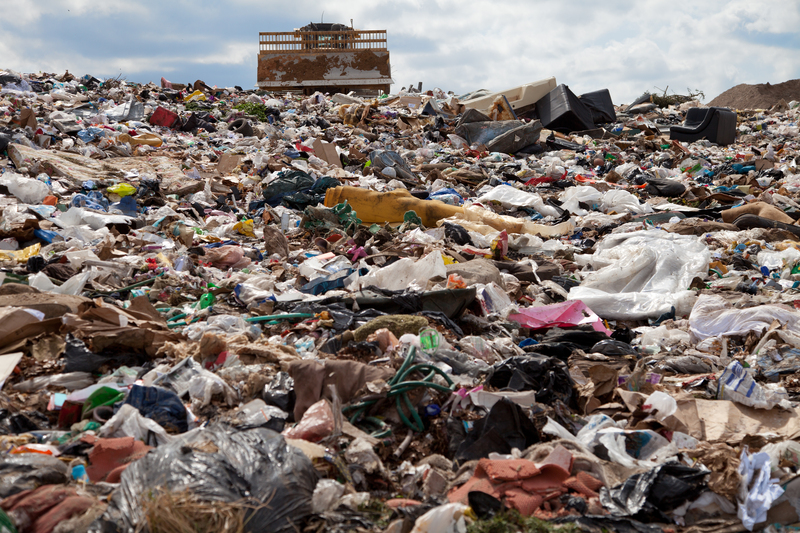
Understanding Bulky Waste: What Qualifies?
Before exploring cost-saving strategies, it's important to define what bulky waste means. Bulky waste refers to large, heavy, or awkward items that are not suitable for regular household garbage collection. Common examples include:
- Old furniture - sofas, beds, wardrobes, tables, and chairs
- Large appliances - refrigerators, washing machines, televisions, ovens
- Mattresses and box springs
- Garden waste - branches, logs, and large clippings
- Renovation debris - bathtubs, sinks, countertops, doors, or flooring scraps
Because these items are often too large to fit in your regular bin or are restricted by waste management policies, disposing of them requires a special service. These services can be costly, but with the right knowledge, you can manage bulky waste removal efficiently and inexpensively.
Top Ways To Save Money on Bulky Waste Disposal Services
To stretch your budget when hiring a bulky waste collection service, it helps to understand your options and make smart comparisons. Review these effective tactics to save:
1. Understand Local Regulations and Free Collection Periods
Many municipalities offer bulk waste collection services on designated days, often for free or at a low cost. Before you book a private service, check with your city or town:
- Annual or quarterly bulky item pickups: Many cities schedule curbside bulk waste pick-up days, often included in your regular waste management fees.
- Drop-off days: Local waste transfer stations may hold free or discounted drop-off events for residential bulky waste.
- Special permits: Your municipality may offer permits or passes that allow for a reduced disposal fee.
Making use of these opportunities can drastically decrease--or even eliminate--your bulky waste disposal costs.
2. Donate, Sell, or Give Away Unwanted Items
It's both economical and environmentally friendly to give bulky items a second life. Consider these alternatives before hiring a bulky refuse collection service:
- Charities and thrift stores: Organizations like Salvation Army, Goodwill, Habitat for Humanity, or local shelters often accept furniture, appliances, and working electronics.
- Online marketplaces: Post your items on platforms like Craigslist, Facebook Marketplace, Freecycle, or local community boards. Items in usable condition may be picked up for free--or you could even make some money!
- Give to neighbors: Sometimes a quick post in a neighborhood group is all it takes to find a taker for your item.
*Reducing the number of items needing disposal not only stretches your budget, it also benefits the community and environment.*
3. Compare Bulky Waste Removal Service Providers
Don't settle for the first bulky waste clearance quote. Prices can vary significantly between companies. When shopping around:
- Request itemized quotes: Some companies price by volume, while others by item count or weight.
- Look for hidden fees: Does the quote include labor, transportation, landfill costs, or environmental levies? Confirm all charges upfront.
- Check reviews: Affordable does not mean low quality. Balance price with reliability and service ratings.
- Negotiate: For large loads, companies may be open to discounts, especially during slow periods.
Being an informed consumer is the first step toward budget-friendly, hassle-free disposal.
4. Minimize The Volume of Bulky Waste
The majority of large item removal services charge based on the total space your items take up in the truck or the number of items. Reduce your waste volume by:
- Disassembling items: Break down furniture and take apart any removable pieces. This often means you occupy less space on the collection vehicle, saving money.
- Compress soft items: Squish down mattresses, rugs, or clothing into more compact bundles.
- Group small items together: Place smaller waste into bags or boxes to avoid being charged per piece.
A little elbow grease can result in substantial savings on your bulky rubbish removal bill.
5. Share Disposal Costs with Neighbors
Pooling resources is a time-tested way to stretch your budget on bulky waste collection services. If you and your neighbors or friends are all disposing of large items around the same time:
- Rent a dumpster or skip together: The flat fee shared between multiple households can be considerably less per person than individual pickups.
- Schedule a group removal: Many junk removal companies offer discounts for larger, single-location pickups.
Collaboration leads not only to cost savings, but can also foster a sense of community.
6. DIY Drop-Off at the Waste Facility
If you have access to a suitable vehicle, self-hauling your bulky garbage to the local landfill or recycling center is often the cheapest route. Here's what to consider:
- Check fees: Residential drop-off rates at waste facilities are often lower than private pick-up fees. Some facilities offer a certain number of free loads per year.
- Follow regulations: Ensure your load is covered and appropriately secured, and follow size/weight limits to avoid fines.
- Ask about recycling options: Some centers separate out reusable metals, electronics, or mattresses for free or at a discount.
This approach may require more effort, but the financial savings can be significant, especially for those with regular bulky waste disposal needs.
Additional Tips to Ensure Affordable Bulky Waste Removal
- Plan ahead: Booking bulky waste collection well in advance can lead to off-peak pricing and more availability of free or discounted slots.
- Bundle your waste: Instead of arranging multiple pick-ups, gather all oversized items for a single collection to minimize call-out fees.
- Stay organized: List what you need to dispose of, estimate the volume, and check for restricted items (paint, chemicals, etc.) that may have surcharges.
- Ask about loyalty programs: If you're a regular customer (for landlords, property managers, businesses), inquire about contract rates or loyalty discounts.
The Environmental Angle: Why Responsible Bulky Waste Disposal Matters
Being budget-conscious doesn't mean cutting corners on responsible disposal. Illegally dumping or failing to repurpose usable items not only harms the environment but can result in fines. When hiring a bulky rubbish collection service, ensure:
- The company disposes of waste according to local laws and environmental standards.
- Where possible, they recycle or donate items and provide certificates or documentation for hazardous waste.
- Items containing hazardous materials (e.g., refrigerators, electronics) are handled by licensed professionals.
Choosing eco-friendly large waste removal services supports a sustainable community and may even qualify you for rebates or tax credits in some municipalities.
Case Study: Maximizing Value With Bundled Bulky Item Removal
Consider this example:
- A household needs to dispose of a sofa, a refrigerator, and old fencing material.
- Getting individual pick-ups for each item from separate companies would cost $240 in total.
- By waiting and bundling all items for a single scheduled bulky waste removal day, and splitting a collection truck with a neighbor (who has a mattress and chairs), the total cost drops to $130 each.
- Additionally, the usable chair was donated, and the fence posts recycled at no additional charge.
By adopting a strategic approach, this family cut their waste disposal cost nearly in half, while making a positive impact on their community and environment.
Common Mistakes That Can Increase Bulky Waste Disposal Costs
- Ignoring local free or discounted service days.
- Not checking service providers for surcharges or hidden fees.
- Paying for disposal, when items could be recycled or donated.
- Booking multiple small pickups, rather than bundling items.
- Disposing of prohibited or hazardous items, resulting in fines.
Avoid these pitfalls to ensure your bulky refuse disposal is as affordable as possible.

Frequently Asked Questions About Bulky Waste Disposal on a Budget
Q: Can I dispose of bulky items for free?
A: In many areas, yes--especially during city-wide bulk collection days or at municipal waste transfer stations. Always check your local council's website for scheduled events or programs.
Q: How can I ensure my provider is charging me fairly?
A: Ask for a detailed breakdown of costs and confirm what's included (e.g., labor, transport, landfill/disposal fees). Compare quotes and look for highly-rated, transparent companies.
Q: Are there extra fees for appliances with refrigerants or electronics?
A: Yes, items like refrigerators, freezers, and certain electronics often have extra charges due to environmental regulations. Ask your provider for a full list of surcharges.
Q: Is self-hauling always cheaper?
A: It usually is, if you have the means (a suitable vehicle, manpower, and time). However, factor in the cost of fuel, your time, and any potential disposal fees at the facility.
Conclusion: Smart Strategies for Stretching Your Budget on Bulky Waste Disposal Services
Efficient bulky waste disposal doesn't have to break the bank. By being proactive, seeking out local free resources, donating or selling usable items, comparing providers, and sharing costs with neighbors, you can stretch your budget on bulky waste removal services without sacrificing quality or responsibility.
Ultimately, the key is to treat bulky item disposal as a process: plan, research, reduce, and reuse wherever possible before you pay for disposal. Not only will this save you money, but it will help build a cleaner, greener community for everyone.
Remember, the most economical solution is also often the most sustainable. The next time you're faced with a large, awkward load, apply these tips to ensure your bulky garbage collection is as cost-effective--and eco-conscious--as possible.
- Research all free or low-cost options first
- Donate, sell, or repurpose where possible
- Reduce volume and bundle items
- Collaborate with neighbors to share costs
- Select licensed, reputable providers for disposal
*With strategic planning and a little savvy, you'll be stretching your waste disposal budget further than you thought possible!*
