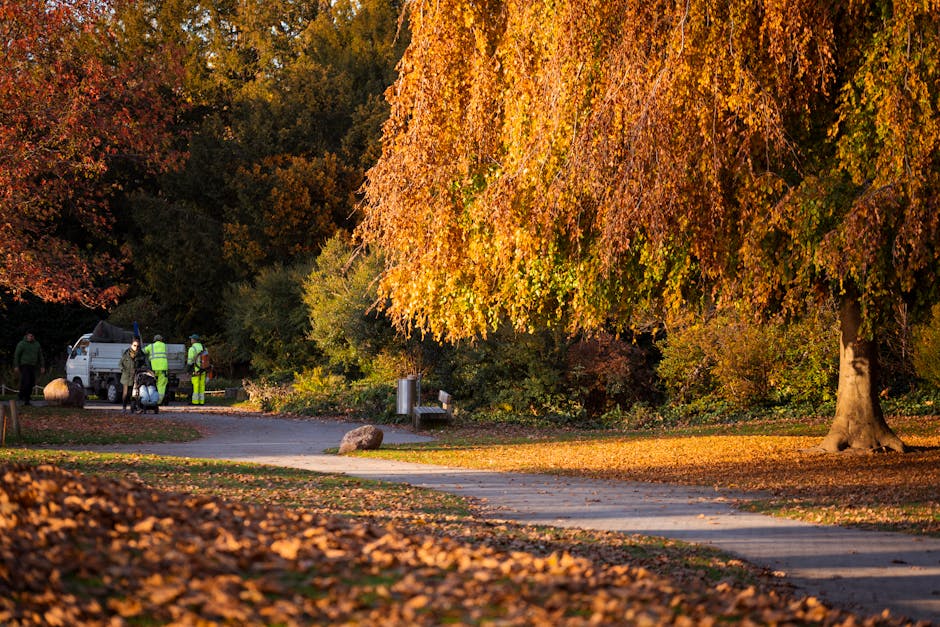
Spring 2027 Garden Debris Pickup Tips for Tufnell Park
Spring in Tufnell Park has a particular feel to it: buds on the trees, a bit of dust in the air, and that sudden urge to deal with the garden shed, the borders, and the pile of cuttings that quietly built up over winter. If you are looking for Spring 2027 garden debris pickup tips for Tufnell Park, you are probably trying to get the job done without making a mess, wasting a weekend, or ending up with bags you cannot shift easily. Fair enough.
This guide keeps things practical. It explains how garden debris pickup usually works, what to separate, what to avoid, when a professional garden clearance service can save time, and how to plan a tidy spring clean-up in a busy part of North London. You will also find a checklist, a comparison table, and a few real-world tips that make the whole thing less of a faff. Let's get into it.
Table of Contents
- Why Spring 2027 garden debris pickup tips for Tufnell Park Matters
- How Spring 2027 garden debris pickup tips for Tufnell Park Works
- Key Benefits and Practical Advantages
- Who This Is For and When It Makes Sense
- Step-by-Step Guidance
- Expert Tips for Better Results
- Common Mistakes to Avoid
- Tools, Resources and Recommendations
- Law, Compliance, Standards, or Best Practice
- Options, Methods, or Comparison Table
- Case Study or Real-World Example
- Practical Checklist
- Conclusion
- Frequently Asked Questions
Why Spring 2027 garden debris pickup tips for Tufnell Park Matters
Spring garden clearance is not just about making things look neat. In a place like Tufnell Park, where gardens may be compact, shared, sloped, paved, or tucked behind terraced homes, the way you handle debris matters almost as much as the clean-up itself. A few bags of hedge trimmings can become a slippery path hazard. Wet leaves can clog a drain. Thorny cuttings can be awkward to handle. And once the pile grows, it becomes harder to move, sort, and dispose of responsibly.
That is why a good pickup plan matters. It helps you work safely, keeps neighbours happy, and reduces the chance that you will leave waste sitting around for longer than planned. Spring also tends to be the point where people discover hidden garden clutter: broken pots, old timber, rusted trellis, soil sacks, and maybe the odd forgotten plant container that has seen better days. None of that is dramatic, but it adds up.
There is also a timing angle. After winter, gardens often need a reset before the growing season starts properly. If you wait too long, you may be dealing with thicker growth, more moisture in the waste, and a bigger volume overall. In our experience, early spring is the sweet spot: the garden is awake, but the job is still manageable.
How Spring 2027 garden debris pickup tips for Tufnell Park Works
At a practical level, garden debris pickup is about sorting, storing, loading, and removing organic and garden-related waste in a way that is efficient and compliant. That sounds dry, but it is actually quite straightforward once you break it down.
Most spring garden clearances fall into a few common categories:
- Green waste such as grass cuttings, leaves, hedge trimmings, weeds, and small branches.
- Hard garden waste such as broken planters, cracked slabs, old fencing panels, timber, or damaged edging.
- Heavy waste such as soil, turf, compacted roots, rubble, and pots full of wet compost.
- Mixed clearance items such as tools, rusted metal, plant supports, garden furniture, or old storage items.
The best pickup method depends on volume, access, and how mixed the waste is. If the debris is light and bagged, a simple collection is easier. If there are heavy or awkward items, you may need a more organised clearance approach. Some households combine garden debris removal with wider tidy-up work, especially if the shed, garage, or loft has also become a bit crowded. In those cases, related services like garage clearance, loft clearance, or even home clearance can make sense too.
The main thing is not to treat everything as one anonymous heap. That is where delays, extra lifting, and avoidable disposal issues begin. Separate first, move second. Simple, really.
Key Benefits and Practical Advantages
A well-planned garden debris pickup does more than just clear the view. It improves the way the whole property feels and functions. A neat garden is easier to use, easier to maintain, and less likely to become a drainage or trip hazard.
Here are the main benefits people usually notice:
- Faster spring maintenance because the usable waste is already sorted.
- Cleaner access routes for paths, side returns, and back garden steps.
- Less lifting and fewer trips if the debris is staged properly before collection.
- Better recycling potential when green waste is separated from mixed rubbish.
- Lower stress because the job is broken into clear steps instead of becoming one huge pile of "deal with later".
There is also a less obvious benefit: you tend to notice what actually needs repair. Once the ivy is cut back and the bags are gone, you can see broken sleepers, damaged fences, or a waterlogged corner that was hidden before. That matters in spring, because small problems are easier to sort before summer growth covers them again.
Expert summary: The best garden debris pickup is rarely the fastest one. It is the one that balances sorting, access, safety, and disposal in a way that fits your property rather than fighting it.
Who This Is For and When It Makes Sense
This topic is useful for a lot of people in Tufnell Park, not just big gardens or obvious overgrown spaces. In fact, some of the trickiest pick-ups happen in modest-sized gardens, because there is less room to stage waste and less tolerance for clutter.
This guide is especially relevant if you are:
- a homeowner doing a seasonal tidy-up;
- a landlord preparing a property between tenancies;
- a tenant responsible for garden waste before moving out;
- someone clearing a shared courtyard or small rear garden;
- a family with children or pets who need the space made safe quickly;
- an older resident who wants the job handled with less lifting and disruption;
- someone combining garden work with wider property clearance.
It also makes sense if spring has exposed a backlog of debris from pruning, storms, or winter dieback. If the pile is still only a few manageable bags, you may be able to handle it yourself. But if you are seeing heavy branches, mixed materials, or access issues, a professional collection can be the smoother route. To be fair, not every garden job needs a big operation. Some do. Knowing the difference saves time and energy.
Step-by-Step Guidance
If you want a clean, efficient pickup, follow a simple sequence. It sounds basic, but good garden clearances are often won by the boring details.
1. Walk the garden first
Start with a slow walk-through. Look for all debris, not just the obvious pile in the middle. Check behind bins, under shrubs, along fences, and beside sheds. In spring, little pockets of waste can hide under new growth. You will miss half the job if you rush this bit.
2. Separate waste into clear groups
Use different piles or bags for green waste, woody cuttings, soil, and hard materials. This makes lifting easier and prevents contamination. If you are composting at home, keep clean plant material apart from treated timber or anything questionable.
3. Cut bulky items down to size
Long branches, tangled stems, and awkward trellis pieces are much easier to carry if they are shortened. Use pruning tools to reduce bulk before moving anything to the front or to the collection point. The fewer snag points, the better.
4. Bag or bundle with access in mind
Use strong bags for lighter waste and secure bundles for branches. Keep loads manageable. One overfilled bag is worse than two sensible ones. If you have a narrow passage, think about the turning space and where a carrier would actually walk. It sounds obvious, but people forget this all the time.
5. Clear the route before pickup day
Move anything that could block access: bikes, toys, plant stands, bins, and loose pots. If the team or collection vehicle has to shuffle around obstacles, the whole process takes longer. A clear route also reduces the chance of scratching paving or disturbing flowerbeds.
6. Keep heavy waste separate
Soil, wet turf, stones, broken slabs, and compacted roots are much heavier than they look. Do not mix them into light green waste if you can avoid it. If you have a lot of heavy material, mention it early when arranging collection so the load can be planned properly.
7. Decide what stays and what goes
This is the moment where a garden job either stays neat or starts spiralling. Be honest. If an item is repairable, keep it aside. If it is broken, rusted, or never going to be used again, let it go. There is no prize for storing a cracked planter for another two years.
For larger mixed clearances, some households find it useful to pair the garden job with general waste removal when there are also old household items, packaging, or leftover renovation materials to shift.
Expert Tips for Better Results
Here are the sort of small, practical things that make garden debris pickup noticeably easier. Not glamorous. Very effective.
- Work when the debris is dry if you can. Wet cuttings are heavier, smell more, and compact into awkward lumps.
- Use tarps or old sheets for moving waste. They help with dragging light debris across paths without scattering it everywhere.
- Trim before bagging. A quick second cut often saves a lot of wrangling later.
- Keep thorny or spiky material separate. Rose clippings and bramble can tear bags and hands alike.
- Think in stages. Cut, gather, sort, bag, then load. If you bounce between tasks, the garden starts looking messy again halfway through.
- Protect surfaces. Old cardboard or a tarp under heavy piles can reduce staining on paving.
One thing people overlook is the smell of composting green waste in a warm spring corner. It is not dramatic, but after a day or two it can get a bit earthy in the wrong way. If you are storing debris before pickup, keep it ventilated and avoid leaving damp bags sealed for too long.
And if you are doing the work yourself, gloves matter more than people admit. A good pair of gloves and decent boots can save a surprising amount of bother. You only need one hidden nail or splinter to ruin the afternoon.
Common Mistakes to Avoid
Most garden pickup problems come from a few repeat mistakes. Nothing unusual, just the kind of shortcuts that feel sensible until you are standing next to three unstable bags and a blocked side return.
- Overfilling bags so they become too heavy to lift safely.
- Mixing soil with green waste and turning a light job into a heavy one.
- Leaving sharp waste loose where it can cut bags or cause injuries.
- Forgetting access constraints such as gates, steps, or narrow alleys.
- Not planning for rain in a spring month that can change its mind five minutes after lunch.
- Ignoring hidden waste behind sheds, under hedges, or in corners.
Another common issue is trying to do too much in one go. There is a temptation to clear the garden, the shed, the side return, and half the house on the same day. Ambitious? Yes. Relaxing? Absolutely not. Split it where you can. If the job has turned into a bigger declutter, related services such as house clearance or flat clearance may be more appropriate than a garden-only pickup.
Tools, Resources and Recommendations
You do not need a shed full of fancy gear to manage spring debris properly. A few sensible tools go a long way.
| Item | Why it helps | Good for |
|---|---|---|
| Heavy-duty bags | Safer carrying for light to medium waste | Leaves, weeds, small cuttings |
| Pruning shears or loppers | Reduce branch length and bulk | Hedges, shrubs, young branches |
| Gloves | Protect hands from thorns and splinters | General handling |
| Tarp or sheet | Makes dragging and bundling simpler | Loose debris, light branches |
| Rake and broom | Finish the area cleanly after lifting | Paths, patios, borders |
| Wheelbarrow or tub | Useful for short-distance moving | Heavy or awkward loads |
If you are arranging professional support, look for a service that is transparent about waste handling, access, and what types of material they can take. The more detail you give at the start, the easier the collection becomes. That is especially useful if you are comparing service options or checking practical details like pricing and quotes.
For broader reassurance around how waste is handled, it can also be helpful to review a provider's recycling and sustainability information and their insurance and safety approach. Those pages do not replace good planning, of course, but they do help you understand how seriously a company treats the work.
Law, Compliance, Standards, or Best Practice
Garden debris removal is not something most people think about in legal terms, but a few standards of good practice are worth keeping in mind. In the UK, waste should be handled responsibly and passed to a legitimate carrier or disposal route. If you are hiring help, it is sensible to choose a provider that understands waste duty-of-care expectations and can explain how debris will be managed.
For homeowners, the practical rule is simple: do not leave waste where it could create a hazard, block access, or blow into neighbouring property. If there are sharp objects, heavy materials, or contaminated items mixed in with green waste, they should be handled carefully and separately where possible.
There is also a neighbourly standard, if that makes sense. Tufnell Park streets and shared access areas can be tight. Keeping bags tidy, avoiding spillages, and moving waste promptly matters. A good clearance job should leave the place better, not just emptier.
Where there is any uncertainty about load type, access, or safety, it is better to ask before moving everything yourself. Not dramatic. Just sensible.
Options, Methods, or Comparison Table
There are usually three practical ways to deal with spring garden debris. The right one depends on volume, weight, and how much time you want to spend on it.
| Method | Best for | Pros | Watch out for |
|---|---|---|---|
| DIY bagging and local disposal | Small amounts of light green waste | Low cost, flexible timing | Labour, transport, and heavy lifting |
| Mixed manual clearance | Medium jobs with branches and light hard waste | Good control over sorting | Can become time-consuming if access is poor |
| Professional garden clearance | Larger, heavier, or mixed debris | Fast, tidy, less physical strain | Needs clear description of waste and access |
If you have a very small pile, DIY may be fine. If the debris is a bit more involved, or if you are already juggling work, childcare, or a move, the professional route often feels worth it. Truth be told, the "cheap" option is not always the one that costs less once your time and energy are counted in.
Case Study or Real-World Example
A typical spring job in Tufnell Park might look like this: a small rear garden has several bags of leaves, a stack of pruned branches, two cracked planters, and a handful of old supports from last year's tomatoes. The side access is narrow, there are a couple of steps, and the bin store is already full. Nothing huge, but awkward enough.
In that sort of case, the best approach is to sort the green waste separately, cut the branches down before moving them, and keep the broken pots out of the soft waste bags. The owner might think, at first glance, that it is "just a few bits". Then you start moving it and realise the weight adds up quickly, especially if the branches are damp and the pots are full of old compost. Happens all the time.
By staging the waste near the access point, the pickup can be faster and cleaner. The garden gets reset, the path is clear again, and the owner can get on with planting without first tripping over last year's leftovers. Simple outcome. Very satisfying, actually.
Practical Checklist
Use this checklist before pickup day. It keeps the job under control.
- Walk the whole garden and note all debris areas.
- Separate green waste from hard or heavy materials.
- Cut bulky branches and stems into manageable lengths.
- Keep sharp, spiky, or broken items safely contained.
- Do not overfill bags or bundles.
- Clear the route from the garden to the collection point.
- Check for hidden waste behind sheds, borders, and bins.
- Set aside anything you want to keep, repair, or reuse.
- Protect paving or decking if heavy loads will be moved across it.
- Confirm the collection timing so the waste is not left sitting too long.
If the clean-up is part of a broader spring reset, you may also want to review about the team before booking and, if needed, use the contact page to ask questions about access, waste types, or timing. That little bit of preparation often removes the stress before it starts.
Conclusion
Spring garden debris pickup in Tufnell Park works best when it is treated as a small system rather than a last-minute scramble. Sort the waste, keep the route clear, understand what is heavy or awkward, and choose the collection method that matches the actual job in front of you. That approach saves time, keeps the space safer, and makes the garden feel usable again much sooner.
The good news is that most spring clean-ups are very manageable once you break them into steps. You do not need perfection. You just need a sensible plan, a realistic view of the waste, and a calm start on a dry enough morning. That is usually enough to turn a messy corner into a proper garden again.
Get a free quote today and see how much you can save.
And when the last bag is gone and the path is clear, you will feel it right away. A lighter garden. A clearer head. That fresh-spring reset people look forward to every year.
Frequently Asked Questions
What counts as garden debris in a spring pickup?
Garden debris usually includes grass cuttings, leaves, weeds, hedge trimmings, branches, soil, turf, broken pots, old plant supports, and other garden-related waste. Mixed items such as fencing or timber may need separate handling.
Should I bag garden waste before collection?
Yes, if you can. Bagging lighter green waste makes pickup easier and cleaner. Just avoid overfilling bags, especially if the contents are wet or bulky.
Can wet leaves and cuttings be collected?
They can, but wet waste is heavier and messier. If possible, let debris dry a little before bagging. It reduces weight and makes handling far simpler.
What should I do with soil and turf?
Keep soil and turf separate from lighter green waste. They are much heavier and usually need a different handling plan. If there is a lot of it, mention that when arranging collection.
Do I need to separate branches from leaves?
It is a good idea. Branches and woody cuttings are bulkier and can damage bags. Separating them helps with loading and disposal.
Is spring the best time for garden debris pickup?
For many people, yes. Spring is ideal because the garden is being reset after winter and the debris is usually easier to manage before growth gets out of hand.
What if my garden has narrow access?
Narrow access is common in Tufnell Park. Clear the route early, cut items down to size, and keep bags manageable. If access is very tight, professional help may be the easiest option.
Can garden debris be removed with other household waste?
Sometimes yes, especially if you are doing a larger clear-out. But it is usually cleaner to separate garden waste from household rubbish so the load can be handled properly.
How do I avoid making the job unsafe?
Use gloves, keep paths clear, do not lift more than you can handle, and separate sharp or heavy items. A tidy setup is safer than trying to rush everything in one sweep.
What if the debris includes broken fencing or old timber?
That is no longer just green waste. Broken fencing and timber belong in a mixed or hard waste category and should be treated separately from cuttings and leaves.
Do I need a professional garden clearance service?
If the waste is heavy, mixed, awkward to access, or simply too much for one person, yes, it can be worth it. Professional clearance is often the calmer choice when the job has grown beyond a quick tidy-up.
How can I prepare for a smoother pickup day?
Sort the waste in advance, move obstacles out of the way, and keep everything in one clear collection area. A few minutes of preparation usually saves a lot of hassle later.
Where can I get help if the job is bigger than expected?
If the garden clean-up has turned into a larger property clearance, it may help to look at house clearance or furniture disposal alongside the garden work. It is often easier to deal with the whole picture in one go.